An Altcoin Due Diligence Checklist for Serious Investors
Before buying an altcoin, review tokenomics, unlocks, liquidity, revenue, security, and user demand instead of relying on narratives alone.
Altcoin investing rewards research, but it punishes shortcuts. A strong narrative can move price in the short term, yet long-term outcomes depend on token design, liquidity, product usage, security, and whether demand can outlast hype.
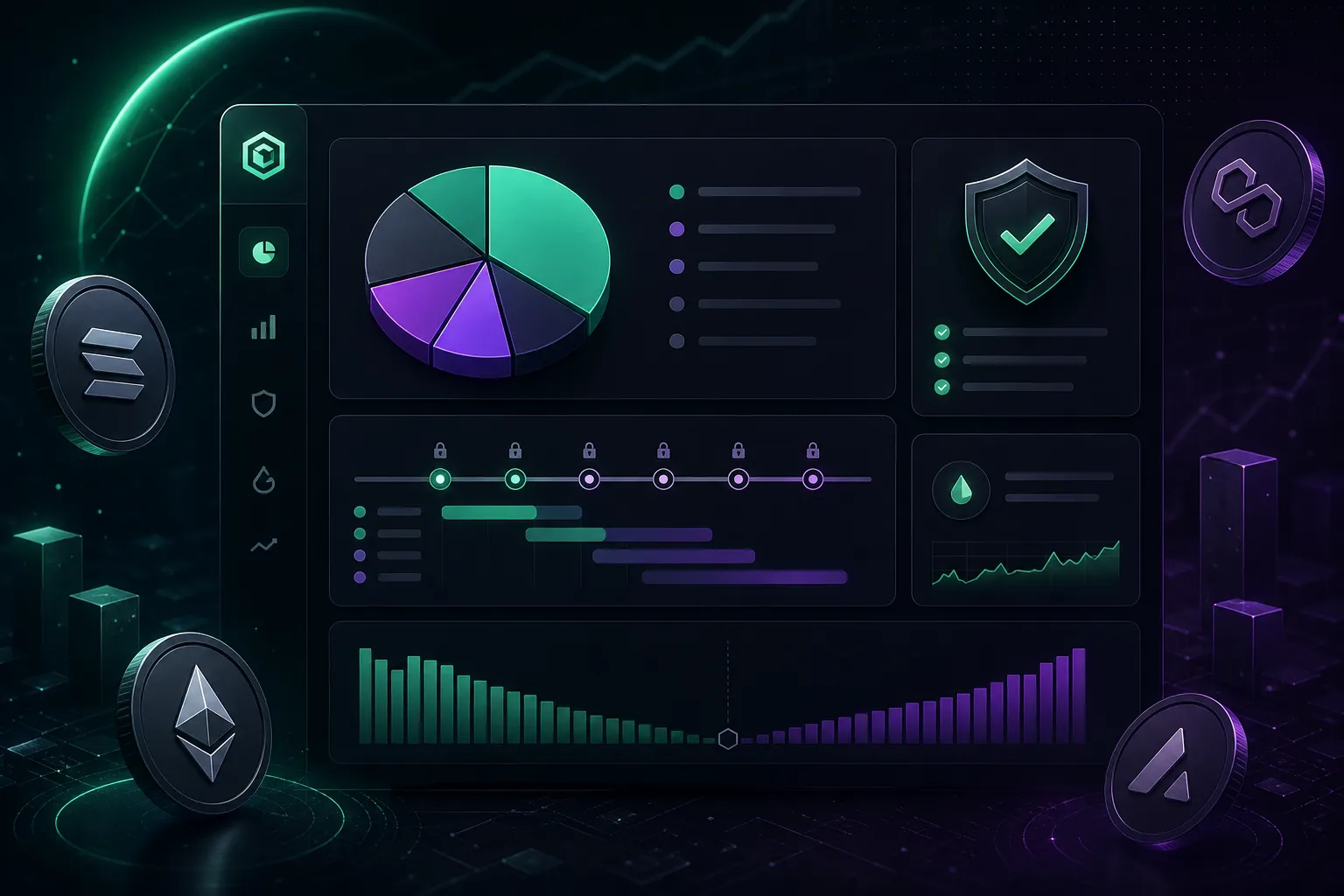
Start with tokenomics. Look at circulating supply, total supply, emissions, treasury allocation, team allocation, investor allocation, and vesting schedules. Large unlocks can create persistent sell pressure even when the project is fundamentally improving.
Next, study liquidity. A token with a large market cap but shallow order books can be difficult to exit during stress. Check exchange listings, daily volume quality, bid-ask spreads, and whether volume is concentrated on one venue.
Revenue and usage matter more than social media activity. For protocols, review fees, active users, transaction count, developer activity, and retention. A product with real users has a different risk profile than a token driven only by announcements.
Security should be part of the checklist. Has the protocol been audited? Are contracts upgradeable? Who controls admin keys? Is there a multisig? Has the team responded well to past incidents? These questions can reveal hidden centralization and execution risk.
Competition is another layer. Many altcoins solve similar problems. Ask why this network, app, or token should win. Better technology is not always enough. Distribution, liquidity, developer mindshare, and partnerships can matter just as much.
Finally, define the trade before entering. Is this a long-term investment, a narrative trade, or a short-term momentum position? The answer determines position size, invalidation level, and tax planning. Without that definition, every dip becomes a debate.
TheCryptoHub helps investors combine research with portfolio tracking, charting, alerts, and education. A checklist is most useful when it connects to action. Research should influence sizing, alerts, and review dates, not just create confidence before a buy.